One claim. One governed record. Every step under control.
Wilbur is claims intelligence infrastructure, it turns claim evidence into structured intelligence, governed workflow and auditable execution across the full claim lifecycle.

Evidence organised and ready. Two items still outstanding before I draft the estimate.
Three outcomes every modern claims operation must deliver.
More capacity from every claims team
Handle greater volumes while reducing repetitive work and protecting time for complex decisions and customer care.
Lower claims cost. Stronger control.
Control spend, suppliers, reserves and approvals to reduce leakage and improve financial predictability.
Regulatory control, built into every claim.
Operationalise conduct, compliance, privacy and governance requirements through controlled workflows, monitored obligations and audit-ready evidence.
A claim starts with more than a form.
Claims enter through configured pathways, policyholders, brokers, internal users, suppliers or API-connected systems. The point is controlled intake: the right data, collected for the claim purpose, structured from the start.
 Reads the initial claim information, prepares a first-pass summary and flags urgency, vulnerability or triage indicators for review.
Guided evidence capture powers the journey.
The quality of claim intelligence depends on the quality of the evidence underneath it. Wilbur structures photos, video, documents, notes and supplier updates into the claim record so intelligence is built from the file, not from fragments.

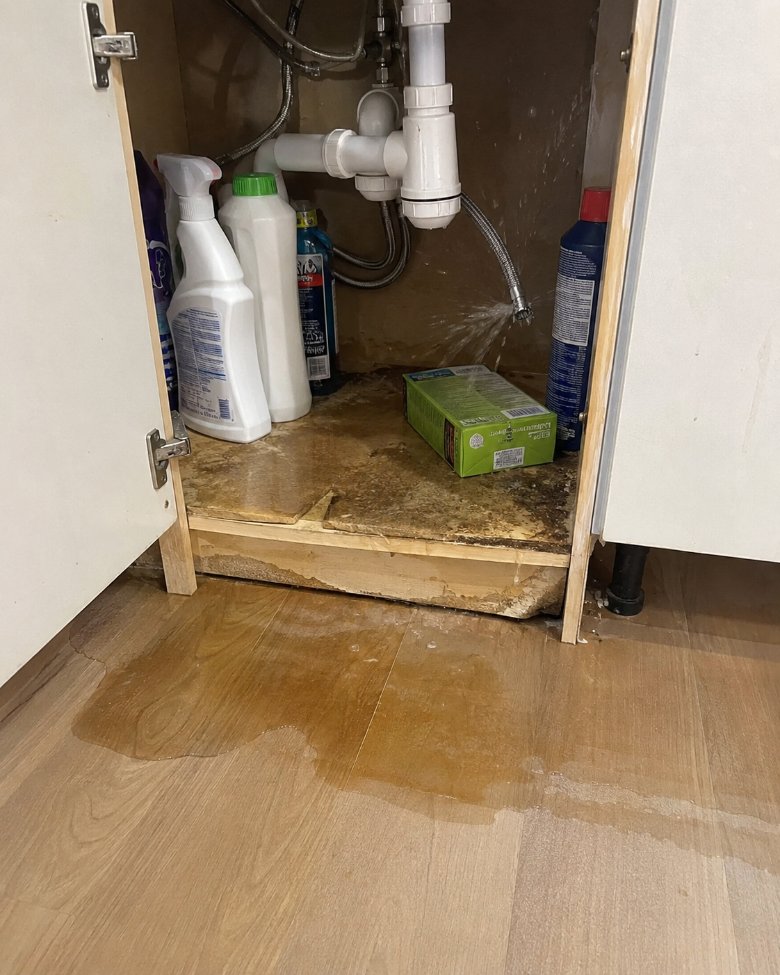

Wilbur turns the file into a decision-ready view.
Wilbur does not replace the file. It reads the file, shows its reasoning and helps the handler understand what is ready, what is missing and what needs review, with confidence stated and source evidence linkable.
Wilbur prepares intelligence. Authorised humans decide.
The right claim needs the right path.
Wilbur routes the claim according to the rules that govern the portfolio, claim type, severity, jurisdiction, authority threshold, SLA risk, vulnerability, fraud indicators and supplier capacity. The platform is not just moving work. It is applying control.
Recommends a triage path, highlights complexity and risk, and flags vulnerability or hardship signals for human attention.The claim moves from information to action.
Assessors, builders, repairers, restoration suppliers, finance users and handlers work from a shared record, without receiving unnecessary access to everything in the file. Supplier allocation follows panel, region, capacity and compliance rules.
“Variation request appears above approved scope. Evidence required before approval.”Cost control depends on the workflow around the decision.
Financial control is the chain of estimate review, authority limits, reserve movements, invoice validation, payment approvals and settlement controls around the file, tied to the evidence and decisions that support it.
“Invoice exceeds approved quote by 12%. Variation approval required before payment can proceed.”Communication is part of the record, not a side channel.
Claims slow down when customers, brokers, suppliers and handlers work from different versions of the truth. Wilbur keeps communication linked to claim status, evidence needs, deadlines and decisions, drafted by Willo, controlled by people.
Closure is where the record has to stand up.
A closed claim shows the evidence received, the intelligence prepared, the decisions made, the approvals given, the communications sent, the supplier work completed and the controls applied. That is what Wilbur preserves.
Highlights unresolved gaps before closure, produces closure summaries and supports audit preparation with source-linked context.The same record becomes operational intelligence.
A single claim record improves handling. Thousands improve the operating model: claim ageing, SLA risk, evidence gaps, supplier performance, reserve movement, complaints and compliance indicators, this is where the platform becomes infrastructure.
“Claims involving supplier variations in this region are ageing 4.2 days longer than the portfolio average. Review rate book alignment and approval thresholds.”Four connected capability groups power the journey.
Wilbur is modular underneath, but the claim experience is connected. Every capability contributes to one governed claim record.

Evidence and capture

Willo intelligence and automation

Workflow and execution

Governance and controls
Run claims on Wilbur, or connect Wilbur to the stack you keep.
The governed claims operating platform.
Claims teams, MGAs, TPAs, brokers and suppliers operate claims directly on Wilbur, a governed operating layer across intake, triage, assessment, suppliers, finance, communication, reporting and audit.
If it happens on the claim, you can measure it.
Every action on a Wilbur claim lands on one governed record, so the numbers most operations struggle to see are simply there: live, portfolio-wide, and defensible.
Time to decision, touches per claim, evidence completeness, approval speed, on one record, they stop being a reporting project and become how you run the book.